
Garage Cabinet Company or DIY? Pros and Cons Compared
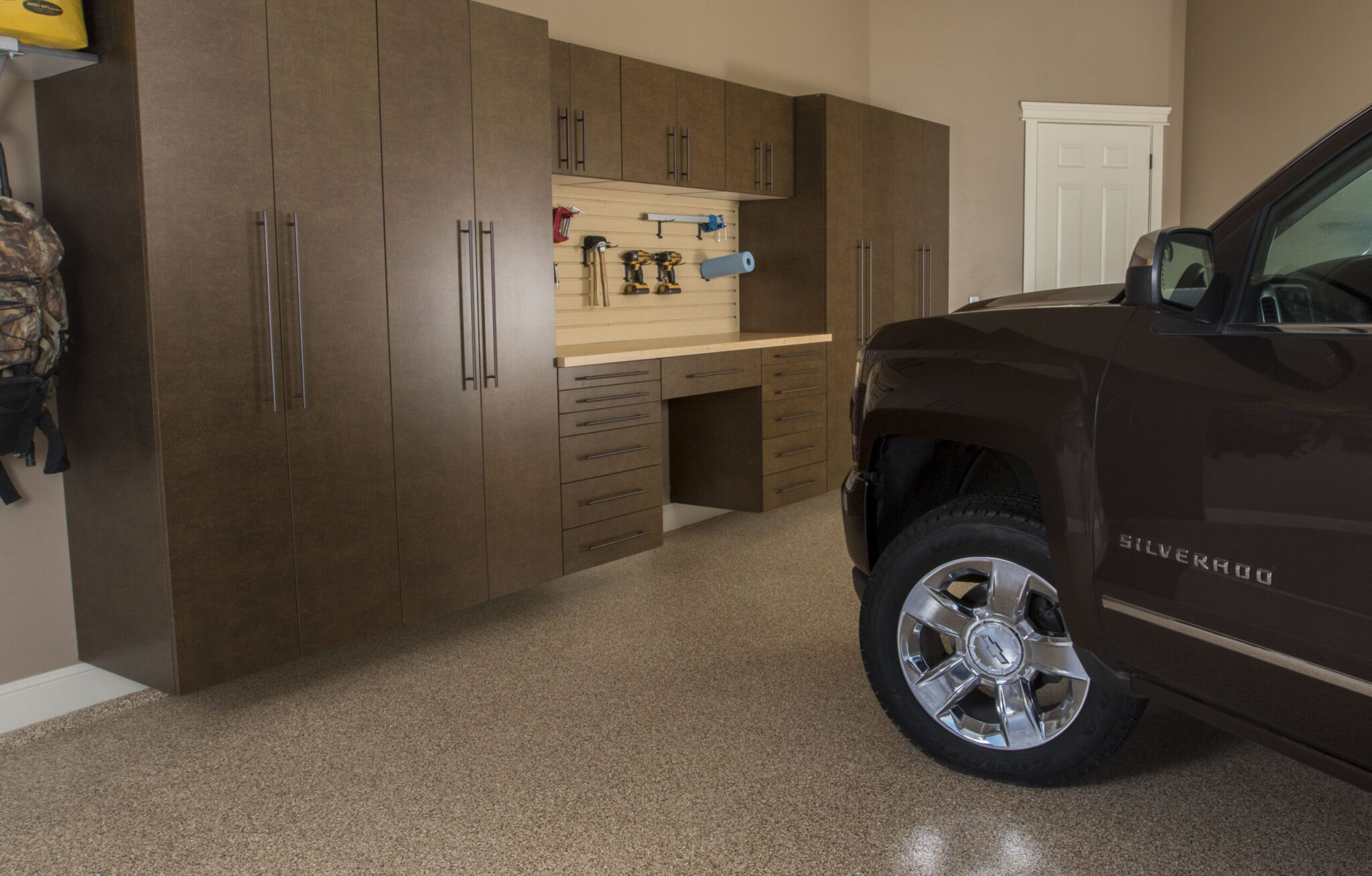
A garage can hold more than boxes and good intentions. With the right cabinet plan, it becomes a working room that hides clutter, protects tools, and makes weekend projects faster. The question is how to get there. Do you hire a garage cabinet company, or build it yourself? Both paths can deliver excellent results, but they come with very different commitments, risks, and long‑term outcomes. After two decades of building and specifying storage, I can tell you the best choice depends far less on Pinterest photos and far more on walls, loads, climate, and how you actually use the space.
What you are really buying when you buy cabinets
Cabinets are structure, finish, and hardware. In garages, structure matters most. Unlike kitchens, a tall garage cabinet can take hundreds of pounds of paint cans, seasonal bins, and power tools. Drawers see metal sockets and hammers. Doors get slammed. Temperature swings, dust, and moisture multiply the stress. When you compare DIY builds with work from professional garage cabinet builders, evaluate four things that predict how the system will hold up:
- The material and thickness of case parts and shelves
- The quality of fastening and anchoring to the wall
- The hardware load ratings and corrosion resistance
- Layout decisions that prevent sagging, racking, and collision with cars, water heaters, and garage doors
A tidy sketch can hide a weak shelf. A good plan prevents it.
Cost realities, not guesses
People often start with a price ceiling, which is wise. The trap is comparing the cost of raw panels to a turnkey price from a garage cabinet company. Those are not equivalents. Break it down into material, hardware, finish, tools, labor, and risk.
For a typical two‑car garage with one 16 to 20 foot run of tall cabinets, a workbench with uppers, and some deep shelves:
- DIY materials in melamine or plywood often run 800 to 2,500 dollars, depending on thickness, edging, and hardware quality. Add 150 to 400 for high quality screws, anchors, adhesive, and fasteners. If you do drawers with full extension slides, expect another 40 to 120 per drawer. If you choose powder‑coated steel cabinets, DIY is rarely cheaper than a company unless you find surplus.
- Tools and consumables can be 200 to 1,000 dollars if you need blades, router bits, a pocket‑hole jig, a track saw, or dust masks. If you rent a panel saw for a day, that adds 50 to 100. Many homeowners already own a drill, impact driver, and stud finder. The tuning tools are what make clean, square cases.
- Your time tends to land between 20 and 60 hours for design, sourcing, cutting, assembly, and garage cabinet installation. If you are fast and organized, good. If you work evenings and weekends, the project might sprawl across a month.
- Professional quotes typically come in as a per foot price, say 150 to 350 per linear foot for melamine systems, 250 to 500 for higher density laminate with thick edge, and 450 to 900 for powder‑coated steel or aluminum systems. That usually includes design, delivery, installation, and a warranty. In Las Vegas, I commonly see 4,500 to 12,000 dollars for a complete, clean installation with a workbench and tall storage.
Not every project lands neatly in those bands. Complex cutouts, tall ceilings, high‑capacity drawers for mechanics’ tools, and slatwall or integrated lighting all move numbers up. Pull‑out hampers for athletic gear and ventilated panels for welding equipment push complexity too.
Special conditions in Las Vegas that change the decision
If you are planning a Garage cabinet in Las Vegas, NV, climate turns small choices into critical ones. The desert brings fast swings in temperature, low humidity, and fine dust that finds every hinge. Summer garage air can sit at 100 to 115 degrees. That changes how panels move and how adhesives behave. Cheap white melamine on particleboard can bloat if it catches moisture or fails at the edges. Poorly edged shelving will chip.
I advise clients in the valley to favor either:
- Industrial melamine on high density particleboard with 3 mm PVC edge and 1 inch shelves for spans over 30 inches
- Cabinet grade plywood with a durable finish, not just a roll coat of paint
- Powder‑coated steel boxes for extreme heat zones, especially near the overhead door
Hardware should have corrosion resistance. Zinc will work, but stainless screws and heavy hinge cups outlast the rest. Drawer slides should be full extension with 100 pound ratings for tool drawers, 75 pound for general storage. If you store brake rotors, batteries, or boxes of tile, do not cheat here.
Dust is a second factor in Las Vegas. Flush doors with tight reveals help keep dust out. Soft‑close hinges that seal under light pressure help more than you would think. If you run a shop vacuum often, consider cabinets with sealed backs so dust does not swirl into wall cavities.
Pests matter too. Scorpions and roaches like gaps. Wall hung systems that keep toe kicks off the slab make it easier to keep a clean perimeter. It also simplifies mopping up the spring dust storms.
The real DIY picture: what it takes to do it well
DIY is not one thing. A carpenter with a compact table saw and a dovetail jig can produce Custom garage cabinets that outperform many factory boxes. A first‑time builder can still get a solid result by choosing a system with pre‑cut parts and a fastening method that forgives small errors.
What you need from the DIY side:
- The ability to lay out straight, level runs across imperfect walls, shim accurately, and hit studs or masonry anchors without guesswork
- Safe habits while ripping long panels, drilling above shoulder height, and lifting tall cases
- Patience for finish edges, which make or break melamine
- Willingness to rework a piece if it is out of square
I have watched confident homeowners lose a half day rounding up better anchors for post‑tension slab garages. They had planned to anchor to the floor, then learned you do not drill into a post‑tension slab casually. Wall mounting solved it, but planning would have saved time.
A small anecdote: a Summerlin client insisted on 36 inch deep tall cabinets to swallow camping bins. We built them DIY style together, using 1 inch melamine with full backs, and French cleats across three studs. He gained the depth he wanted without floor anchors, and the cleats kept everything straight despite a 5/8 inch wall bow over 12 feet.
What a reputable garage cabinet company really provides
The visible product is the cabinets. The less visible value is in layout judgment, correct anchoring, fast installation, and warranty. A good garage cabinet company sends someone who notices the garage door track, the shut‑off for the irrigation, the water heater vent clearances, and the outlet locations. They steer you away from drawers that collide with a vehicle mirror or a cabinet that traps the attic hatch.
Expect a process like this:
- Initial call and on‑site measure, often 30 to 60 minutes, with a quick sketch and options. Some use 3D software so you can see clearances.
- Firm quote with material spec and hardware. If the company talks only in generic terms, ask for shelf thickness, hinge brand, and slide ratings.
- Lead time from order to install, usually 2 to 6 weeks. Powder‑coated steel can take longer.
- Garage cabinet installation in one to two days, with a crew of two or three. They should bring dust control, vacuums, and clean up to broom finish. Anchors should match wall type, and every tall unit should be tied securely.
Warranty ranges widely. Ten years is common for melamine systems. Lifetime on hardware shows confidence. Read the fine print on water damage and heat exposure. If you weld or run hot work in the garage, disclose it so they spec a safe solution.
In Las Vegas, a company used to local construction will be fluent in block walls, post‑tension slabs, and the city’s typical garage heights. They can tell you whether your walls are furred out over block and how to anchor accordingly. That knowledge eliminates half the surprises that slow DIY efforts.
Materials and construction choices that drive performance
Garage cabinets live hard lives. Materials change the failure mode. Here is how I weigh common options for structure and finish.
- Melamine on particleboard is the budget king, and it can be excellent if you use thicker panels and real edge. The weakness is at screws and edges. Use confirmat screws, construction adhesive where appropriate, and full backs to prevent racking. Avoid shelf spans over 30 inches at 3/4 inch thickness unless you add stiffeners.
- Plywood holds screws better and tolerates edge wear, but low quality plywood telegraphs voids and can warp. Baltic birch is ideal for drawers. For cases, A1 or B2 grade with a durable coating works well. Edge banding gives a clean look and protects the face grain.
- Powder‑coated steel or aluminum solves heat and moisture. Steel dents under impact but stays straight. Aluminum resists corrosion and weighs less, helpful for wall hung runs. These systems shine when you want fast installation and factory durability.
- Hardware separates the toys from the tools. Blum or Salice hinges shrug off heat cycles better than bargain hinges. Accuride or Blum Tandem slides with high ratings keep drawers smooth when loaded. I keep a small bucket of dead off‑brand slides from garage retrofits.
Work surfaces deserve a special note. Laminated plywood or a hardwood top is pleasant for handwork. If you do automotive fluids, a stainless skin or a sacrificial HDPE top pays off. Avoid raw MDF in a garage. It swells from a single spilled bucket.
Layout that respects cars, heaters, and people
Nothing ruins a garage faster than cabinets that look nice and work poorly. Allow for door swing, walking paths, and the realities of SUVs. Measure your vehicle mirrors. Tall cabinets often belong on the side opposite your driver’s door, or at the back wall. Do not choke the entry from the house. Keep 36 inches of clear walkway near doors.
Watch clearances around a gas water heater. Local code often dictates a minimum clearance and requires combustible materials be kept away. If your heater sits on a stand, stay back and leave airflow. For electric water heaters and soft‑water loops, plan service access. If you have an EV charger, avoid placing tall cabinets where they pinch charging cable movement.
Garage door tracks can make or break upper cabinet placement. Open the door, measure to the lowest point of the track and bracing, then set upper cabinet bottoms 2 inches below that height. You will thank yourself after the first near‑miss.
Consider where you use tools. Place a bench near power, with backing for cleats or a tool panel. Deep drawers for mechanics’ tools should sit near the car bay you work in. If the house entry is where bags and shoes land, design the nearest cabinet with ventilated shelves or wire baskets.
Structural anchoring and safety
Anchoring tall cabinets is not a suggestion. It is the line between tidy storage and a slow‑motion tip. In wood framed walls, hit at least two studs per tall unit, three on wider boxes. Use 3 inch structural screws or lag bolts through a backer strip. In block or poured walls, use sleeve anchors or tapcons sized for shear loads, not just light duty anchors. For wall hung systems, distribute the load with a French cleat or continuous steel rail tied at each stud or block penetration.
If your slab is post‑tension, treat the floor as no‑drill unless you have the tendon map and know where it is safe. Many Las Vegas garages are post‑tension. A professional will leave the floor alone or use surface‑mount feet where needed.
Safety also means lifting and working at height properly. Tall casework can weigh 120 to 180 pounds. Two people and temporary blocks make the job sane. Wear eye and ear protection cutting panels. Melamine throws chips. Respect dust.
Durability and maintenance over the next decade
A solid garage system should not be fragile. If a baseball scuffs a door, it should not mean repainting the run. Melamine in medium or dark patterns hides wear better than bright white in dusty garages. Textured finishes resist scratches. Powder‑coated steel hides dust and shrugs off scooter dings.
Hinges and slides are the moving heart. If they are quality pieces, you may only adjust them once as the house settles. Inferior hardware loosens at season changes, and you end up with doors that rub. Spending an extra 15 to 30 dollars per hinge set or per drawer slide pays off every time you open a door with a tool in your other hand.
Plan airflow. A few vent holes high and low in tall cabinets reduce odor buildup from chemicals. If you store chlorine or acids for the pool, isolate them in a ventilated metal cabinet and keep them away from bare steel tools to avoid corrosion.
Warranty, permits, and insurance
Most garage cabinet projects do not require permits if you are not altering electrical or structure. If you add outlets, lighting, or a dedicated circuit for tools, bring a licensed electrician. A reputable garage cabinet company will tell you where the line sits. Some will coordinate trades. Ask how they handle surprises in wall conditions. Good companies anticipate MDF over block, or odd stud layouts, and bring the right anchors.
Warranty is more than a number on a brochure. Ask whether it covers delamination of melamine in heat, sagging shelves, and failed slides. Ask who handles adjustments in year two. Local companies with a shop you can visit tend to honor their word. Fly‑by installers pass on callbacks.
Insurance matters during installation. A crew should carry liability insurance and workers’ comp. If a tall cabinet falls during install and damages your car, you want swift resolution, not finger pointing.
Resale value and style
Clean, built‑in storage photographs well and signals care to buyers. In many markets, a tidy garage can nudge offers up. In Las Vegas tracts, I have seen appraisers note garage storage as a quality improvement, though they seldom put a hard number on it. Treat it as an asset that makes living easier, not a direct dollar return. Neighbors talk, and referrals for a good install often ride on that quiet pride when the garage door opens.
Style is personal. Keep it simple. Flat doors, clean edges, a neutral matte finish. If you want a bold color, use it on the workbench wall or slatwall so you can change it later. Hardware should feel solid in the hand. Avoid flimsy pulls that bend.
Common pitfalls that cost money
Two mistakes come up again and again. First, overspanning shelves. A 36 inch wide shelf in 3/4 inch melamine loaded with paint will bow within a year. Either go thicker, add a front stiffener, reduce span, or use steel shelving for heavy liquids. Second, ignoring the level of the slab and the plane of the wall. Garages are rarely square or level. If you build to an out‑of‑level baseline, you will fight doors and reveals during install. Scribe to the wall and shim to level. Leave the eye line straight.
A third is ordering doors before you confirm final carcass dimensions. Melamine and plywood can vary by a millimeter. Multiply that across boxes and your doors will not align.
A short DIY readiness check
Use this quick filter before you commit to a solo build.
- I can safely break down 4 by 8 sheets and keep cuts square within 1 to 2 millimeters over 8 feet.
- I own or can borrow the right clamps, a track or table saw, and a quality drill and driver.
- I understand how to find studs or anchor to block and am comfortable working at height.
- I have two full weekends to dedicate, plus two or three weekday evenings for finishing touches.
- I am okay living with small cosmetic flaws in exchange for saving money and learning.
If you checked all five, DIY makes sense. If two or more are a stretch, bring in a pro or mix methods. Some clients order boxes from a garage cabinet company and install themselves to save on labor. Others cut carcasses and hire a finisher for doors and edge banding.
Questions worth asking a garage cabinet company
Go past the brochure. A short set of practical questions will separate sales talk from substance.
- What is the shelf thickness and maximum recommended span for paint cans and tools?
- How are tall cabinets anchored to my specific walls, and how many fasteners per unit?
- What brand and model of hinges and slides do you use, and what are their load ratings?
- Can you show a recent Garage cabinet installation nearby, ideally in a similar floorplan?
- What does your warranty cover in heat and dust, and how do you handle service calls?
A good installer will enjoy answering these because they show you care about the right things.
Blended approaches that hit the sweet spot
You do not have to pick a pure lane. Many homeowners in Las Vegas choose a hybrid. A garage cabinet company designs and installs the tall storage where structural anchoring matters most. The homeowner builds the workbench and open shelves, saving money and customizing where it is fun. Some projects add a single run of powder‑coated steel lockers for sports gear, then DIY plywood bins for holiday storage higher up. The result looks cohesive if you coordinate finishes and hardware.
Another savvy move is to hire pros for layout and measurement, then bid installation and materials separately. You pay a design fee for detailed drawings and a cut list, then source panels from a local shop that does CNC cutting. You assemble like a kit. This approach saves time, reduces measurement mistakes, and keeps craftsmanship in your hands.
When DIY clearly wins
If you want odd sizes that commercial lines do not offer, DIY lets you chase every inch. Think alcoves beside a back door, a short cabinet under the attic pull‑down, or rollout trays that hold a specific compressor. If you enjoy the work and already own tools, your sweat equity turns into robust, custom garage cabinets that reflect how you move in the space. Builders who work on cars often prefer deeper, lower drawers than standard lines provide. DIY also shines for temporary or budget builds in rental homes where you do not want to overinvest.
When hiring a company pays off
If time is tight and you want a polished, warrantied result, a reputable garage cabinet company is hard to beat. They move fast, bring the right anchors for stucco over block, and leave you ready to load in a day. The risk profile is lower. If a door arrives dinged, they replace it. If a shelf sags next summer, they bring a thicker one. For busy professionals, the cost delta buys weekends back. It also protects you from the silent costs of errors, like drilling a tendon in a post‑tension slab or hanging a heavy case on hollow drywall anchors.
In Las Vegas in particular, companies familiar with heat and dust will steer you toward materials that hold up. They tend to standardize on 1 inch shelving for wide spans, use heavy edge banding, and select hardware that is comfortable at 110 degrees. Those little choices prevent callbacks and keep your garage calm in August.
Final judgment and a path forward
The decision is not binary. It is a match between your tolerance for learning and your appetite for risk against the local environment and the loads you plan to store. If your garage holds chemicals, tools, camping gear, and a family’s worth of bikes, lean toward a professional plan for the backbone and add DIY accessories over time. If you are a careful builder with a solid tool kit and a weekend to spare, approach DIY with thicker materials, real edges, and conservative spans. Either way, design for how you actually live. Leave elbow room near the driver’s door, respect clearances, and buy hardware once.
If you are seeking Garage cabinet builders for a Garage cabinet in Las Vegas, NV, ask neighbors for recent experiences. Visit a showroom to feel hardware. Study anchor methods. If a company cannot explain how they will fasten into your exact wall and what their shelves can truly hold, move on. If you choose DIY, plan the layout on paper, build a single test box to refine your process, then run the rest. Small, correct steps lead to a garage that works as hard as you do.
Garaginization of Las Vegas
Address: 3321 Sunrise Ave Suite 103, Las Vegas, NV 89101
Phone number: (702) 444-5311
FAQ About Garage Cabinet Company
How much should garage cabinets cost?
Garage cabinets cost anywhere from $500 to $10,000+ depending on whether you choose DIY-friendly plastic/resin units, ready-to-assemble steel sets, or full custom installations. Costs scale based on the material, garage size, and whether you pay for professional installation.
Who has the best garage cabinets?
Finding the "best" garage cabinets depends on your budget and storage needs. For heavy-duty use and premium quality, NewAge Products is widely considered the best overall. For excellent mid-tier value, Gladiator is highly rated, while Husky provides the best budget-friendly metal options.
Is Garage Organization.com legit?
Yes, Garage-Organization.com is a legit e-commerce retailer that sells garage storage cabinets, shelving, and organizational systems. While they are a legitimate business, there are a few important things to know before you buy.