Personal Injury Attorney Strategies for Dog Bite Cases

Dog bite cases look straightforward from a distance. A dog bit a person, the person was hurt, and the owner should pay. Inside an actual file, though, the work is part medicine, part insurance puzzles, part municipal rules, and a good dose of human behavior. Having handled these claims from emergency room photos through jury verdicts, I can say the strongest outcomes come from disciplined evidence work early, a realistic reading of liability under local law, and careful storytelling that accounts for how people react to animals, fear, and scars.
The first 48 hours: preserving facts that disappear fast
A dog bite claim often rises or falls on what gets documented in the first day or two. Memories shift, wounds change shape as swelling recedes, and owners sanitize the scene. I coach clients and investigators to move quickly and capture the facts before they harden in dispute.
- Photograph everything within hours if possible: close-ups of punctures and lacerations from multiple angles with a ruler for scale, mid-range shots that show placement on the body, and wide shots of the scene. Keep the original metadata.
- Seek prompt medical care, even for “small” punctures, and describe the mechanism to the provider. ER and urgent care notes often make or break causation and infection claims.
- Identify the dog and owner immediately. Names, addresses, phone numbers, and whether the owner will disclose vaccination records. Note any tags and take a photo of the dog if safe.
- Report to local animal control. Their incident report can lock down owner identity, vaccination status, quarantine orders, and witness statements you might never find again.
- Find neutral witnesses. Get short recorded statements the same day if possible. Ask what they saw before, during, and after the bite, not just the moment of contact.
Those five steps may sound basic, but inconsistent photos or an absent animal control file is where otherwise strong claims begin to leak value.
Liability theories: strict, negligent, and everything in between
Every state approaches dog bites a bit differently. Some follow strict liability for all bites, others rely on negligence unless the owner knew of prior viciousness, and many use a hybrid. In Colorado, for example, the strict liability statute can apply when a bite causes serious bodily injury or death, even without prior knowledge of aggression. For other injuries, you often proceed on negligence, negligence per se using local leash laws, or the traditional “one bite” knowledge framework.
The defense will usually revolve around provocation, trespass, or comparative fault. Expect pointed questions about whether the victim reached over a fence, startled a leashed dog, or ignored posted warnings. Colorado’s modified comparative negligence rule reduces recovery by the plaintiff’s percentage of fault and bars recovery at 50 percent or more. An experienced Personal Injury Lawyer builds liability with both the law and the story. The story matters because jurors bring their own dog experiences into the room. They will forgive an owner faster if the plaintiff looks careless near a mother dog with puppies or if the bite occurred in a clearly marked work area.
One caution for lawyers working within city limits: local ordinances are evidence gold. Denver, for instance, has leash and control rules that help establish duty and breach. An accident attorney who can point to a violated leash ordinance and an issued citation has an easier time bridging the gap between a neutral adjuster and a policy limits tender.
Medical realities: punctures, infections, and scars
Dog bites are medically different from many other injuries. The force often crushes and tears rather than slicing cleanly, so closures can be tricky. Punctures might look small but deliver bacteria deep into tissue. Hospital records that mention flushing, debridement, tetanus status, and rabies protocol carry weight with insurance carriers. A personal injury attorney must understand a few practical nuances:
- Infection risk is real and time sensitive. If a client waited to seek care, document why. Long weekend clinic closures or delayed symptom onset are believable, but they need to be recorded.
- Plastic surgery plans should include timing. For facial wounds, many surgeons defer scar revision six to twelve months until maturation. Adjusters know this timeline and discount claims that rush cosmetic projections without support.
- Nerve involvement turns a modest case into a substantial one. Sensory loss in a fingertip, lip, or cheek often changes daily function and self-perception. Get a nerve conduction study or a surgeon’s note where appropriate.
- Bite force on hands is common in defensive postures. Document grip strength testing and occupational restrictions, especially for tradespeople, healthcare workers, and food service employees whose jobs depend on dexterity and hygiene clearance.
Clients often underestimate the psychological piece. Hypervigilance around dogs, sleep disruption, and flashbacks are credible and compensable harms when diagnosed. Do not overreach. A short course of counseling or EMDR therapy documented in the records is stronger than dramatic language without treatment notes.
Insurance coverage and the path to money
In most dog bite cases, the money comes from homeowner’s or renter’s insurance, not the dog owner’s pocket. Coverage typically includes personal liability for bodily injury, often starting at $100,000 and going higher. Some policies exclude specific breeds or past bite histories. A Denver personal injury lawyer will ask for the full policy early and read the exclusions instead of relying on an adjuster’s summary.
Umbrella policies can add another layer. You will not find them unless you ask directly, and many carriers will not disclose unless pressed with a statutory duty to reveal policy limits or a well supported demand that hints at exposure above base limits. For bites that occur at apartment complexes, consider the landlord’s role. Colorado and many jurisdictions recognize potential premises or negligent undertaking claims when management knew of a dangerous dog on common areas and did nothing. Expect a fight, but do not skip the inquiry.
Health insurance, Medicare, Medicaid, and hospital liens will assert reimbursement rights. The settlement math changes when a hospital lien exceeds the policy limits. Get itemized bills early, challenge denials that push clients into out-of-network ER physicians, and negotiate lien reductions with statutory leverage. ERISA plans add complexity with federal preemption and plan language analysis. These fights can return thousands to your client and often determine whether a case is worth filing.
Building the case file the right way
Strong dog bite files share a rhythm. Begin with liability proof, then elevate damages with credible medical evidence, and finish with a clean, organized demand package. Here is the structure I use:
- A short narrative summary that grounds the adjuster in facts: who, when, where, what the dog did, and what rules were broken.
- A curated photo set: day-of photos, staged progression every few weeks, and final scar images with and without natural lighting. Include a scale, and label dates clearly.
- Medical proof tied to a timeline: ER notes, wound care, antibiotics, therapy, and plastic surgery plans. Highlight measurable changes like range of motion and nerve testing.
- Economic documentation: wages lost with employer confirmation, out-of-pocket expenses, and estimates for future care from actual providers rather than internet printouts.
- Community character on liability: animal control records, neighbor statements about prior off-leash behavior, and any prior complaints. Avoid overreaching. Two credible neighbor accounts beat ten form letters.
Keep the tone factual. Adjusters read hundreds of demands a month and skim hyperbole. A clear narrative with well placed exhibits converts faster than a dramatic entry that collapses under scrutiny.
Working within Colorado’s legal framework
Because so many bites in my practice occurred in and around Denver, I keep a few Colorado points at hand.
- Statute of limitations. Most personal injury claims must be filed within two years of the incident. For minors, limitations typically toll until adulthood, but do not wait. Records get lost, and witnesses move.
- Strict liability triggers. Colorado’s statute can apply to serious bodily injury or death regardless of prior knowledge. For non-serious injuries, negligence and leash law violations remain central.
- Defenses. Provocation and unlawful entry are live issues. Expect vigorous use of comparative negligence when the bite happened on the owner’s property or when the plaintiff interacted with the dog despite warning signs.
- Damage caps. Non-economic damages in Colorado are capped and adjusted for inflation at intervals. The exact figures change over time, so cite current numbers from authoritative sources before a demand or mediation.
- Governmental settings. Animal control officers and postal workers typically have unique employer coverage considerations. For bites involving police K9s or service animals in official duties, immunity and statutory exceptions may apply.
These are not academic footnotes. They shape strategy from day one, especially when deciding whether to push for early mediation or prepare for suit and discovery.
Special fact patterns that change the playbook
Dog park bites present a different risk profile than front yard or sidewalk bites. Many dog parks have posted rules that shift expectations for owner control. Video from other owners is more common there, and witness pools tend to be friendlier to dogs, not to plaintiffs. You must lean on clear violations like removing a leash in a transition area or ignoring mounting behavior that escalated to aggression.
Doorway and delivery bites come with strong negligence narratives. If a homeowner opens a door while restraining a large dog and invites a delivery person onto the porch, jurors often find fault with the owner’s control. Video doorbells have improved these cases. Move quickly to request preservation, then send a formal spoliation letter.
Child bites require careful pacing. A pediatric ER note that documents size, depth, and the child’s anxiety can be more persuasive than a later summary. Scars on a child’s face or forearm change as the child grows, which complicates valuation and future care planning. Consulting a pediatric plastic surgeon can frame conservative, credible revision plans. Do not promise a result to parents in the first meeting. Show them the timeline, the need for consistent photos, and how insurance and lien resolution will work to protect funds for later care.
Working or service dog situations are their own species. A vet tech bitten during a procedure faces a different standard than a neighbor bitten through a fence. Jurors recognize that professionals accept certain risks. That does not bar recovery, but it informs how you argue negligence and how you explain preventable errors in restraint or muzzle use.
Negotiation: why some cases settle fast and others never will
Carriers that insure homeowners and renters evaluate dog bites Personal Injury Lawyer Law Offices of Miguel Martínez, P.C. with internal matrices. They look at scar location, visible distortion from conversational distance, infection, nerve loss, missed work, and permanent restrictions. They give discounts when the claimant approached the dog uninvited, ignored warnings, or waited to seek care. Early photo sets with good lighting and scale marks raise offers. Vague notes like “laceration to arm” depress them.
If liability is clean and the injuries substantial, a policy limits demand with a short fuse can work, especially when you have documented the trigger for strict liability and the photo set is compelling. Give the carrier enough to justify tender. When liability is murky, I prefer a measured exchange. Start at a strong but explainable number, identify the valuation drivers, and ask the adjuster to explain each reduction. You will often expose a misunderstanding that you can fix with a supplement rather than a lawsuit.
Mediation helps in dog bites with community witnesses. Third party neutrals can test your framing. Bring printed photos in large format, not just PDFs. A seven inch scar on glossy paper confronts a decision-maker differently than a thumbnail image on a phone.
Litigation phases without wasted motion
Some dog bite cases must be filed. Perhaps the owner denies everything, or coverage is reserved based on a contested breed exclusion, or the injuries exceed limits and you intend to pursue personal assets. Filing does not mean chaos. A lean plan preserves energy and keeps costs in line.
- Plead the correct theories under local law, including statutory strict liability where available and negligence or negligence per se under applicable ordinances.
- Lock down key witnesses with early depositions. Start with the owner, then the most credible bystander, then the animal control officer. Keep them short and focused.
- Use targeted discovery. Ask for veterinary records that show training, temperament notes, and prior incidents. Seek HOA or landlord communications about the dog. Avoid fishing expeditions that invite objections.
- Consider a neutral exam. For contested nerve damage or scarring, a joint expert can narrow disagreements and drive settlement.
- Prepare for a damages focused trial. Jurors care about functionality, daily workarounds, and visible reminders. Teach your client to describe their experience without theatrics.
Litigation on a dog bite should aim at clarity, not volume. You win when the jurors can retell the story in their own words on the first ballot.
Valuation: how experienced lawyers read the file
A seasoned injury attorney will not quote a value in the first meeting. Too many variables are unknown. By the midpoint of treatment, a credible range emerges from a handful of anchors:
- Scar location, length, and contour disturbance. A one inch scar hidden in a hairline is different from a one inch notch on the upper lip.
- Permanent functional changes. Loss of fingertip sensation for a professional cook or seamstress alters earning capacity and daily frustration in ways a jury understands.
- Liability clarity. A clean leash law violation with a citation and matching animal control findings yields better offers than a he said, she said in a dog park.
- Plaintiff credibility. Calm, consistent, and focused on getting back to normal beats performative outrage. Jurors punish exaggeration.
- Financial drivers. Policy limits, liens, and out-of-pocket burdens frame the real-world upside for a settlement.
These anchors help a Personal Injury Lawyer set expectations and decide where to invest in experts or visuals. They also keep a case from drifting into months of unproductive back and forth.
Common pitfalls and how to avoid them
Overreaching on provocation is a classic defense mistake, but plaintiffs make unforced errors too. Here are a few I see often and how to course correct in practice.
Clients stop photographing too early. Scars evolve for months. Set calendar reminders for monthly photos under the same lighting with a neutral background. The comparative set is persuasive.
Medical silence on fear and sleep. Clients minimize the mental health impact with doctors, then try to emphasize it in a demand. Encourage honest disclosure and, when appropriate, a few counseling sessions to document symptoms and progress.
Ignoring breed exclusions until the eve of mediation. Ask for the full policy and endorsements in writing at intake. If a carrier is reserving rights, consider coverage counsel early or a strategy that keeps pressure on the owner directly.
Letting the landlord off the hook without investigation. If multiple tenants complained about the same dog in common areas, you may have a path. Send preservation letters to property management. Ask for incident logs.
Failing to prepare the client for the owner’s deposition. Owners often feel guilty and can be defensive. If the client appears vindictive rather than focused on recovery, you risk alienating the trier of fact. Role-play the owner’s likely testimony so your client can respond with composure.
How a Denver personal injury lawyer tailors the approach
Denver’s mix of dense neighborhoods, parks, and shared spaces means witnesses are often present, and many homes have exterior cameras. Lean into that. Move fast on video preservation through friendly requests before legal letters harden positions. Denver Animal Protection maintains records that can corroborate or contradict the owner’s account. Those files sometimes contain photos and kennel observations from quarantine that speak to temperament.
Local juries skew practical. They respond well to tangible harms and clear rule violations, less so to abstract arguments about fear untethered to therapy or daily limitations. When I present a case here, I bring a board with actual-size prints of the best photos, a concise timeline with treatment milestones, and a short excerpt from the animal control report. I do not rely on animated graphics or long expert lectures unless the injury warrants it.
Working with clients the right way
Dog bites carry a uniquely personal charge. Many clients still love dogs and feel conflicted about going after a neighbor. Others feel embarrassed that they did not read the signals. A good personal injury attorney clears space for those feelings without letting them derail the evidence work.
At intake, I explain the process end to end: preservation, medical care, insurance steps, lien resolution, negotiation, and the possibility of suit. We talk about time frames and the patient work of scar maturation. I set communication expectations and ask clients to send monthly updates with photos and any changes in symptoms or work duties. That cadence builds trust and an evidentiary record at the same time.
I also discuss net recovery early. Between liens, costs, and potential caps, clients deserve to understand how a $120,000 settlement might yield a very different net than they imagine. Transparency avoids future frustration and helps clients make informed decisions about offers.
When to bring in specialists
Not every case needs experts, but a few strategic consults can lift outcomes.
- A plastic surgeon for facial scars and revision planning. One measured letter can do more than pages of argument.
- A hand specialist for grip strength, dexterity, and nerve loss when hands are involved.
- A psychologist for trauma that persists beyond a few months, particularly in children or in adults whose work requires daily dog exposure.
- A coverage attorney when breed exclusions, reservations of rights, or umbrella policy disputes emerge.
Use experts sparingly, choose clinicians who communicate clearly, and prime them with the specific questions the case needs answered.
The quiet power of authenticity
Dog bite claims revolve around bodies and behavior. Photos of real wounds, notes from real doctors, ordinances that set real rules, and witnesses who give real accounts. Adjusters and jurors can tell when a case file reflects lived details rather than manufactured drama. That is why the basics matter so much. Quick reporting to animal control. Clear, consistent photos. Honest, prompt medical care. An organized demand. Professional but firm negotiation. Measured litigation when required.
Handled that way, these cases often find their level without performative battles. When they do not, a prepared file and a credible client are what carry the day in court.
If you were bitten or you represent someone who was, focus on the plain work first. Preserve, document, treat, and communicate. A steady hand from an experienced Personal Injury Lawyer - whether a neighborhood practitioner or a larger Denver personal injury lawyer with trial depth - can turn a chaotic incident into a clear record and a fair recovery. An injury attorney who respects the details will usually outrun an accident attorney who relies on bluster. In dog bite cases, the details are where the truth, and the value, live.
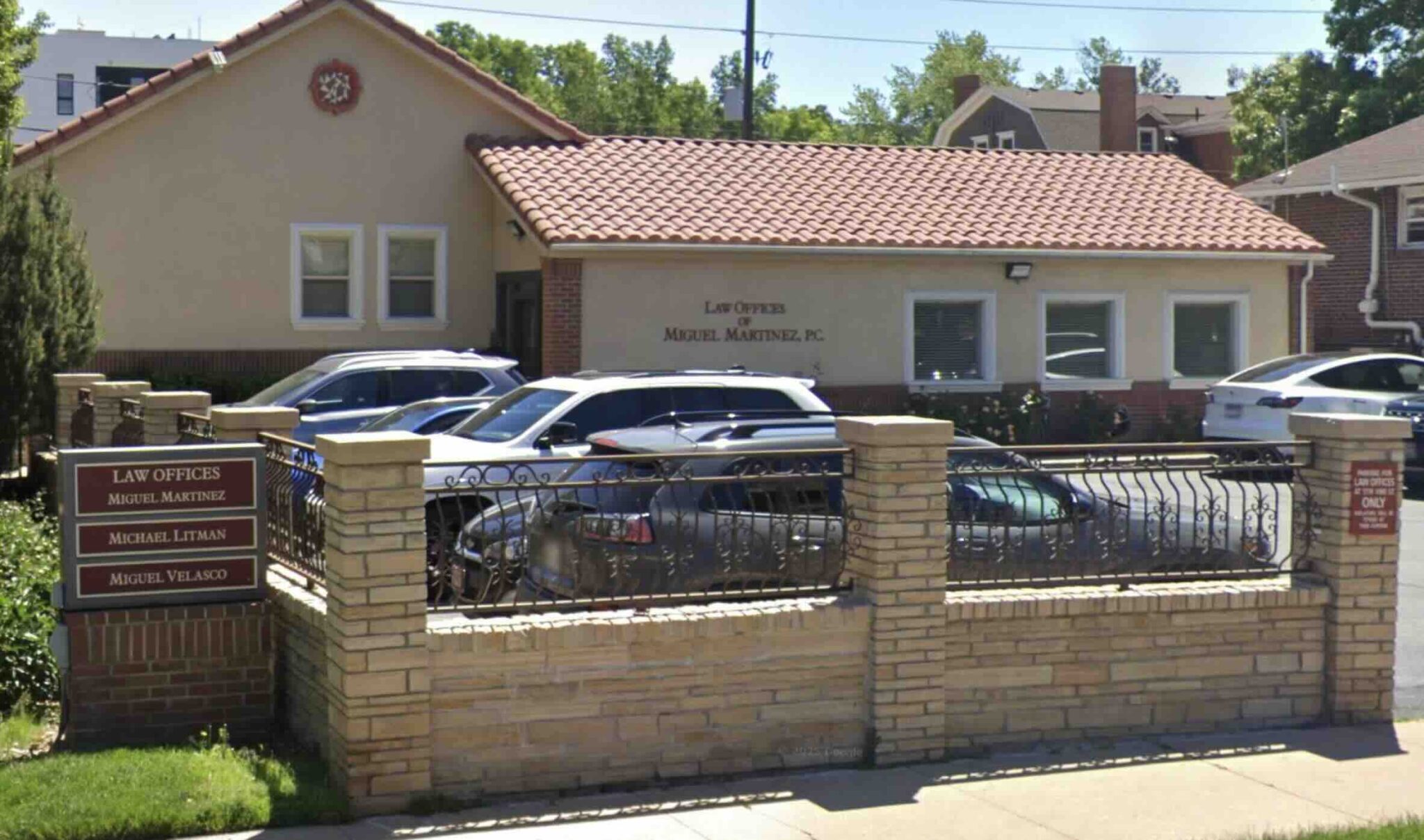
Law Offices of Miguel Martínez, P.C.
Address: 1776 Vine St, Denver, CO 80206
Phone number: 303-964-3200
FAQ About Personal Injury Lawyer
Is it worth suing for personal injury?
Suing for a personal injury is generally worth it if you have severe injuries, mounting medical bills, and lost wages. However, it is rarely worth the time and effort for minor bumps and bruises where you recover quickly.
What not to say to a personal injury lawyer?
Never hide details, lie, or downplay your symptoms when speaking to a personal injury lawyer. Withholding information or fabricating details destroys your credibility, provides insurance companies an excuse to deny your claim, and makes it impossible for your attorney to properly advocate on your behalf.
How much do most personal injury lawyers charge?
Most personal injury lawyers charge a contingency fee, meaning you pay nothing upfront. They take a percentage of your final settlement or jury verdict—typically ranging from 33% to 40%—and only get paid if you win your case.