Best Dentist Oxnard: Comfort Amenities That Matter

If you ask ten people what makes a great dental visit, you will hear answers about painless shots, kind staff, and being seen on time. Comfort shows up in dozens of small choices a practice makes, long before anyone picks up an instrument. The best dentist Oxnard patients can find is not only a skilled clinician, but also a host who anticipates stressors and removes them with design, technology, and communication. I have watched anxious patients relax because a lobby had soft natural light and tea, and I have also seen trust evaporate in a cold room with a humming fluorescent ballast. Details like that sound minor until you sit in the chair.
Comfort is not fluff. It moves the needle on health. When people feel safe, they return for cleanings, schedule recommended treatment, and speak up before a small problem turns into a root canal. A good Oxnard Dentist knows this and builds a system that treats comfort as a clinical outcome.
What comfort means in a dental setting
In dentistry, comfort has three layers. Physical comfort is the obvious one, the absence of pain during and after a procedure. Emotional comfort is just as real, the sense that you are heard, respected, and in control. Logistical comfort rounds it out, the ease of getting an appointment, finding parking, and understanding the bill. Get all three right and your experience changes from tolerable to genuinely positive.
I tend to start my assessments in the reception area. Not because the sofa matters more than sterilization, but because first impressions color everything that follows. Does the front desk greet patients by name and make eye contact, or just slide a clipboard across the counter? Do you see proof of organization, like a clear schedule board, or does the team scramble? That tone carries throughout a visit.
The reception area sets the stage
A thoughtful dentist in Oxnard pays attention to the reception space. Traffic on Gonzales or Vineyard can fray nerves before a morning appointment, so soft landings help. I look for natural light, plants that are actually alive, and seating that does not trap you elbow to elbow with strangers. If there is a television, subtitles beat blaring sound, and music with a steady, low volume beats radio ads. Hot and cold beverages are more than niceties. A warm drink can loosen a clenched jaw before an exam.
Small touches matter. A place to charge a phone and a basket where kids can pick a sticker while they wait. A printed daily wait-time estimate that the staff updates. If the average wait runs under 10 minutes, patients notice. If it creeps to 25 without explanation, they notice that more.
Breeze through intake and you keep momentum. Online forms that work on a phone cut down on pens, clipboards, and HIPAA pages balanced on a knee. When I see a team that can text a secure link for updates, reschedules, or pre-visit instructions, I know they respect a patient’s day.
Sound, light, and smell inside the operatory
Once you move past the door, senses get louder. Dentists can control more than many realize. Sound is a big one. High-speed handpieces and suction have distinct pitches. Better practices invest in quieter electric handpieces, updated vacuum systems, and operatory doors that actually close. Offering noise-canceling headphones is not a gimmick. It lowers cortisol for noise-sensitive guests and kids.
Light is another lever. Adjustable LED operatory lights reduce heat and glare, and dimmable room lighting lets patients ease into the space. I avoid harsh overheads that wash the room in a clinical blue. I prefer warm temperatures in the periphery and bright, color-accurate light at the working field.
Smell is the instant tell. If you catch a blend of eugenol and disinfectant, the office is not ventilating well enough. A good system moves air with medical-grade filtration and neutralizing, not masking, scents. I have seen CO2 monitors in some rooms to keep airflow targets honest. Not many patients ask, but everyone benefits.
The chair, posture, and pressure points
Dental chairs vary widely. I favor models with multi-zone memory foam, real lumbar support, and a headrest that adjusts for shorter and taller patients. A small dental dam pillow, placed under the neck or knees, can turn a 90-minute quadrant session from bearable into comfortable. For patients with lower back pain or pregnancy, a left lateral tilt and a rolled towel under the right hip help more than any relaxing playlist.
Those who grind or have TMJ issues often struggle with long-open-jaw times. A silicone bite prop, rotated between sides, relieves the masseter. Short breaks every 12 to 15 minutes preserve blood flow and cut down on post-visit soreness. I time anesthesia onset during those breaks, so we do not rush into tissue that is not fully numb.
Pain control done thoughtfully
Comfort and pain control are not synonyms, but they overlap. Numbing is as much art as pharmacology. Warming local anesthetic to near body temperature reduces sting on injection. Buffers to raise the pH speed onset, useful for infected sites where acidity fights lidocaine. A topical placed and left long enough to actually work, two full minutes, blunts the superficial poke. I explain what I am doing in plain language, not a running monologue, then pause so the patient can breathe.
For most healthy adults, a careful infiltration or nerve block gets the job done. For those who fear needles, distraction helps. Ask about their weekend plans as you shake the lip, and many never realize the needle is already out. For children or adults with high anxiety, nitrous oxide remains a safe first step. Administered through a scented nose hood, titrated slowly, it leaves the body within minutes once turned off.
When cases get longer or phobias deeper, oral conscious sedation has a place. Doses are tailored to weight, age, and medical history, and the patient needs a driver. Monitoring with pulse oximetry and blood pressure in a calm room is non-negotiable. A few Oxnard Dentist offices also offer IV sedation with a qualified provider, which opens options for those who have avoided care for years. It is not for everyone, but used judiciously, it can change a life.
Technology that quietly removes friction
Technology earns its keep when it shortens appointments, reduces gagging, or limits numbing. Intraoral scanners do all three. Patients who have endured putty impressions for crowns or aligners are shocked by a smooth camera wand that maps teeth in minutes. Accuracy improves marginal fit for restorations, which in turn means less bite adjustment and fewer return visits.
CAD/CAM systems that mill same-day crowns reduce a two-visit sequence into one extended appointment. Not every case is a fit, but for a fractured molar without root involvement, a single appointment can be both comfortable and cost-effective. Dental lasers, usually diode or erbium, can reshape soft tissue with little bleeding and less anesthetic, and can help with aphthous ulcers that make any touch miserable. Ultrasonic scalers with adjustable settings and fine tips let hygienists clean thoroughly without sandblasting sensitive cementum.
Digital radiography lowers radiation exposure and speeds up the process. Cone beam CT, when indicated for implants or complex root canals, avoids guesswork that can lead to prolonged chair time. An Oxnard emergency dentist who can image quickly and accurately will stabilize pain faster and make better referrals when needed.
The human side of comfort: language, timing, and consent
Comfort lives in conversation. Oxnard is multilingual, with a large Spanish-speaking community. A dentist in Oxnard that invests in bilingual front-desk staff and clinical assistants removes a huge source of stress. Consent forms in plain Spanish, not a literal word-for-word copy, help families feel respected and informed. I have watched case acceptance rise when a hygienist could answer questions in a patient’s first language.
Timing matters too. People with demanding shifts at the port or fields often need early mornings or late afternoons. Some practices set aside two or three same-day slots for urgent needs. If the office can see a swollen face at 7:30 a.m., instead of pushing to the next day, it prevents misery and sometimes a hospital visit. That reliability is a hallmark of a true Oxnard emergency dentist.
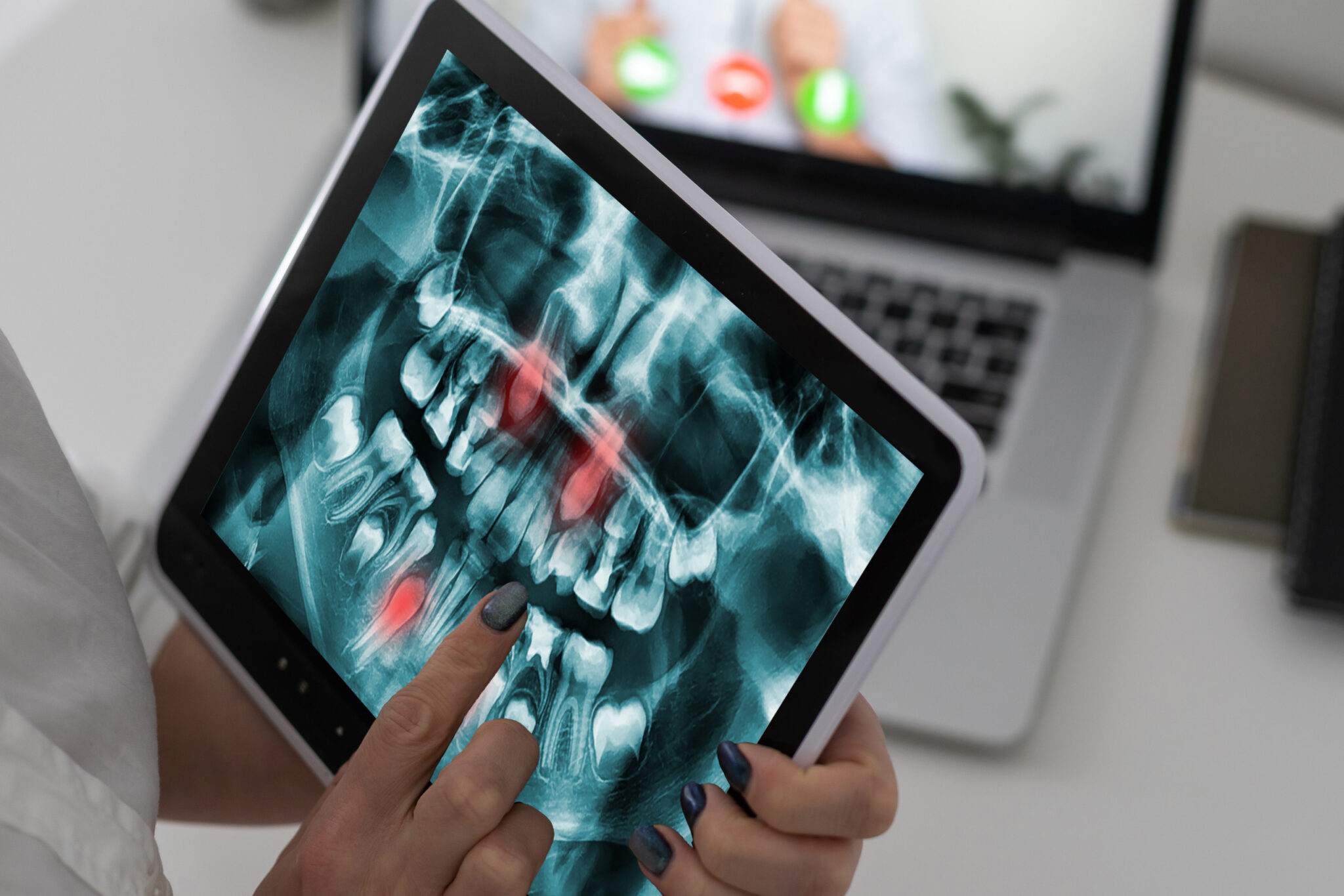
Consent is more than a signature. I prefer to show the problem with an intraoral camera on a screen. Patients do not need a dental degree to understand a cracked filling when they can see the hairline fracture light up. Then we discuss options, with costs and likely outcomes, and pause. Silence helps people think. Rushing feels like a sale, and no one relaxes in that dynamic.
Pediatric comfort is its own craft
Kids are not small adults. A great pediatric experience blends choreography and play. Short, upbeat appointments with specific praise work: “You held so still while I counted your teeth, that helped me so much.” Tell-show-do remains the standard. Show the mirror, let them touch the suction straw, then do the brief polish. Waiting until a child is already in tears to explain the explorer is a lose-lose.
Space matters. A child-friendly operatory with bright colors, ceiling decals, and a screen angled toward the chair headrest changes the energy. Small flavors for topical anesthetic and a tiny, quick needle technique limit fear. Parents appreciate when the team explains fluoride strengths and cavity risk in numbers, not lectures. If a practice sees enough kids to stock small mouth props and pediatric-size film or phosphor plates, families notice.
Cosmetic comfort, from consult to reveal
Cosmetic cases carry their own anxieties. Patients weigh cost, time away from work, and the fear of an unnatural look. A cosmetic dentist Oxnard residents trust will start with photographs and a conversation that uncovers the real goal. “I don’t want perfect, I want my old smile back, just less chipped,” is different from “I have a high-wattage public role.” Digital smile design and trial mock-ups let you test drive the result. No one should see final veneers for the first time in a hand mirror at delivery.
Shade selection is a team sport. Natural light checks beat fluorescent rooms, and allowing a patient to step outside with a handheld mirror avoids surprises. Post-op comfort matters too. Smooth transitions, well-polished ceramic, and careful occlusal adjustments prevent sharp edges and sore jaws. A night guard discussion is not upselling, it is protection for new work.
When emergencies hit, comfort equals speed and clarity
Toothaches do not respect schedules. A fractured cusp on a Saturday afternoon after a soccer game needs triage, not a lecture on flossing. The Oxnard emergency dentist you want in your contacts will provide a reachable number after hours, a clear plan for same-day stabilization, and transparent fees for urgent visits.
In practice, that can mean a pulpotomy to relieve nerve pressure, a temporary crown to hold a broken tooth, or a drainage procedure for an abscess, with antibiotics only when indicated. The team should explain what is possible today, what needs a specialist, and how to manage pain at home. Ice packs used in 15-minute intervals, ibuprofen or acetaminophen dosed correctly for age and medical history, and a soft food plan for 24 to 48 hours make a rough situation survivable.
Cleanliness you can see builds trust
Sterilization is a comfort amenity even if few call it that. Visible indicators reassure. Instrument pouches with color-change markers show they have run through an autoclave. Staff who wash hands in view between glove changes build confidence. A practice that posts its spore test schedule and results is signaling attention to detail. Floors without stray gauze, tidy cords, and covered sharps containers all reduce subconscious tension.
Accessibility and special needs
Comfort must include access. ADA-compliant entrances without surprise steps, wide doorways that actually clear a standard wheelchair, and operatory aisles wide enough to turn matter more than decor. Adjustable chairs that descend low enough for safe transfers, portable headrests, and bite blocks help patients with limited mobility or neurological conditions.
For those on the autism spectrum or with sensory processing differences, predictability reduces anxiety. A short pre-visit with no instruments, a social story with photos of the actual office, and a choice of sunglasses for bright lights can transform an experience. Some practices offer first-of-the-day appointments to minimize noise and smells, and will mail or text a photo of the assigned clinician beforehand so the face is familiar.
Amenities that genuinely reduce anxiety
- Noise-canceling headphones with a playlist or the option to pair your own device
- Warm blankets and neck pillows that are laundered between uses
- Intraoral cameras with chairside screens so you can see and understand findings
- Nitrous oxide available in every operatory, not just one room
- Same-day temporary repairs for chips or lost fillings to improve comfort fast
Scheduling, reminders, and the gift of time
A schedule that runs on time is the most underestimated comfort amenity. The best offices analyze where delays occur. Long hygiene blocks for periodontitis patients, buffer time around complex crown seats, and dedicated new-patient exam slots keep a day sane. Running on time is not luck, it is math and discipline.
Reminders should be helpful, not spam. A three-touch system works well: a message a week before with a link to confirm, a text two days before to review any pre-visit instructions, and a same-day note with directions or parking tips. If a procedure changes, a brief call from the dentist, not just a template email, saves misunderstandings.
Cost clarity brings real relief
Financial surprises ruin otherwise excellent care. A transparent estimate that shows procedure codes, allowed amounts for your insurance plan, expected copay, and possible variance if a finding changes is far better than a single number. Upfront conversations about priorities help. If a patient needs a crown and two fillings, consider sequencing by risk of fracture or decay progression, not just by dental quadrant.
In Oxnard, many families juggle variable income. Offering multiple payment paths shows respect. That can include card on file with emailed receipts, third-party financing with disclosed APR ranges, and membership plans that set preventive care at a fair monthly rate for those without insurance. When an office helps file claims and explains EOBs, stress drops sharply.
Hygiene comfort, not just polish and rinse
A good cleaning can feel like a massage, or like sandpaper. The difference lies in assessment and technique. Hygienists who start with a quick sensitivity check and probe depths gently can tailor settings. Fine tips, warmed water for ultrasonic units, and hand instruments sharpened correctly glide rather than scrape. A polish with a fine grit paste on recession areas spares enamel and cementum.
Patients appreciate when hygienists map home care to real life. If someone works nights and brushes at irregular times, a water flosser suggestion plus a two-minute routine can stick better than a lecture about perfect technique. Sensitive areas get a dab of fluoride varnish or a high-fluoride prescription toothpaste recommendation, with the caveat that it is not for small children who might swallow it.
What to ask when you are choosing
Patients often ask me how to tell if a practice truly values comfort or just says so on a website. You can learn a lot in five minutes, without peeking in a single drawer. Start by calling as a new patient. Do they offer options that match your schedule, and do they ask about your goals, not just your insurance? Step into the lobby and listen. Is the tone respectful behind the desk, even when staff talk to each other? In the operatory, notice if the clinician sits at eye level to talk before laying you back. Those little cues often predict the entire experience.
Here are five signs, distilled from many visits, that a practice cares about your comfort as much as your enamel.
- Staff offer choices, like blankets or headphones, without you having to ask
- The dentist explains options with images and gives you time to decide
- You see clean, organized rooms and sterilization indicators on instrument packs
- Wait times are short, or if delayed, someone updates you with a realistic estimate
- Fees and sequences of care are explained before work begins, in writing
Edge cases and trade-offs
No amenity solves everything. Sedation reduces anxiety but adds monitoring and a recovery window. Same-day crowns save time, but complex esthetics may still require a lab with custom staining. Lasers help with soft tissue, yet they do not replace a scalpel in every case. Nitrous is excellent for many, but not ideal if a patient has certain respiratory conditions. A practice that frames these trade-offs clearly earns trust.
Consider the gag reflex. An intraoral scanner helps, but not if the operator rushes. A numbing spray at the soft palate, scanning the lower arch first, and a salt packet on the tongue can all help. For strong cases, a brief nitrous session may be the difference between success and misery. Another example: people with sensitive cervical areas often dread cold water. Warming the water line to 85 to 95 degrees and avoiding blasting exposed dentin with air makes a noticeable difference.
Local context: Oxnard specifics that matter
Oxnard has its rhythms. Harvest seasons change work hours for many families. Surf and sun bring weekend dental mishaps, from board edges to sandy snacks wedged against a crown margin. A dentist who plans for this sets aside emergency space on Fridays and Mondays, keeps athletic mouthguards in stock, and coordinates with local oral surgeons for same-day extractions when needed.
Traffic and parking shape stress. Offices near major arteries like Ventura Road or the 101 frontage benefit from clear directions that avoid U-turns across busy lanes. A few lines in a reminder text that mention where to park, plus whether meters or validation are involved, relieve last-minute tension.
Language and culture, as noted earlier, are not an afterthought here. A practice that greets grandparents in Spanish, discusses fluoride in both languages, and respects family decision-making styles will earn loyalty that marketing budgets cannot buy.
A simple pre-visit checklist you can use
- Confirm the appointment time and any fasting or medication instructions if sedation is planned
- Share your top concern in one sentence so the team can focus from the start
- Bring a list of medications and allergies, including supplements
- Ask whether the office offers headphones, blankets, or nitrous if you tend to feel anxious
- Plan a soft-food day if you expect anesthesia or deeper cleaning
The through-line: comfort by design
When people ask me to point them to the best dentist Oxnard has to offer, I tell them to look for comfort by design. Not a fancy espresso machine alone, but a web of decisions that respect how humans feel in a vulnerable setting. A practice that runs on time, speaks your language, explains choices with pictures, numbs well, and follows up after big visits will almost always deliver excellent clinical outcomes. Whether you need a routine cleaning, a cosmetic dentist Oxnard neighbors recommend for a smile refresh, or an Oxnard emergency dentist for a Saturday toothache, notice the amenities. They are not extras. They are signals that the team understands your experience and takes it seriously.
Oxnard Dentistry
Address: 1730 E Gonzales Rd, Oxnard, CA 93036
Phone number: +18056049999
FAQ About Oxnard Dentist
What is the richest neighborhood in Oxnard?
The richest and most expensive neighborhood in Oxnard is Seabridge. Located within the coastal 93035 ZIP code, it is a prestigious, gated waterfront community featuring luxury single-family homes, high-end townhomes, and private boat docks.
What is the average cost of a dentist?
Without insurance, the average cost for a routine dental exam, cleaning, and X-rays is about $150 to $350. Costs vary by region and treatment type. If you have insurance, preventive care is often covered completely or requires a small copay.
What is the 50-40-30 rule in dentistry?
In cosmetic dentistry, the 50-40-30 rule is an esthetic guideline for the ideal contact areas—the points where upper front teeth touch each other. It ensures a natural, youthful, and balanced smile by creating even spacing and preventing dark "black triangles" near the gums.