Cosmetic Dentist Oxnard: Are Clear Aligners for You?
If you have ever held your smile back in a photo, or you catch yourself sliding your lips over a crooked tooth when you laugh, you have already started the mental math that every patient does before orthodontic treatment. How long will it take, what will it cost, and is it worth the hassle. As a cosmetic dentist in Oxnard, I have these conversations every day with students from Ventura College, nurses from St. John’s, surfers who chipped a tooth at Silver Strand, and grandparents who want to look as young as they feel. Clear aligners are often the first option people ask about. They can be discrete, efficient, and comfortable, but they are not a fit for every mouth or every lifestyle.
This guide pulls the curtain back on how clear aligners work, who tends to thrive with them, where they struggle, and how to make a smart choice if you are seeking a dentist in Oxnard who offers them. I will share what I have learned chairside, including the trade‑offs that do not show up in marketing brochures.
What clear aligners actually do
Clear aligners are a series of removable trays that apply gentle, targeted pressure to your teeth to guide them into better positions. Each tray is worn for about 1 to 2 weeks, 20 to 22 hours per day, before moving to the next. The sequence is planned in software. We scan your teeth, build a 3D model, and simulate how each tooth will move across time. It is math and biology working together.
To create the leverage needed for precise movement, we often add small tooth‑colored bumps called attachments. These are bonded to the enamel and removed at the end. In some cases, we reshape contact points with very fine polishing strips, a technique called interproximal reduction, to create tenths of a millimeter of space. Patients barely notice it, but those fractions add up and can prevent teeth from flaring outward as they align.
The biology behind it is slow and steady. Bone responds to consistent pressure by remodeling, which is why aligners need faithful wear. If you pop them out too often, your teeth rebound a bit, and the next tray no longer fits as designed.
Who typically does well with aligners
I see excellent results in mild to moderate crowding and spacing, many overbites and underbites caused by tooth position rather than bone discrepancy, and relapse cases where someone wore braces years ago but forgot retainers. Adults in Oxnard often prefer aligners because they fit with work life, family meals, and the occasional business lunch in downtown Ventura. For teenagers, compliance matters more than age. If a teen is motivated, aligners can be a great option, especially when sports or instruments make braces awkward.
Your gum and bone health also matter. Aligner therapy is more predictable when the foundation is stable. Patients with active periodontal disease need to address inflammation first. Smokers face more staining of trays and a higher risk of irritated tissues, which can slow progress. These are not automatic disqualifiers, but they change the conversation and the plan.
Here is a quick reality check I use during consultations.
- You might be a strong candidate if:
- Your crowding or spacing is mild to moderate.
- You can commit to 20 to 22 hours of daily wear.
- You have healthy gums and good home care habits.
- You prefer removable trays for work, sports, or social reasons.
- You are open to small enamel polishing and attachments if needed.
When aligners are not the hero
Some cases fight the physics. Severe skeletal discrepancies, such as a pronounced underbite due to jaw position rather than tooth position, often need braces with auxiliaries or even orthognathic surgery. Significant vertical changes, like large open bites, can be managed in select patients, but the predictability drops and treatment time climbs. Rotations of certain teeth, particularly lower canines with triangular roots, can be stubborn. Impacted teeth that have not erupted into the arch usually require a surgical exposure and a bracket for more direct traction.
There are workarounds, such as temporary anchorage devices or hybrid plans that start with short‑term braces for difficult movements before transitioning to aligners. The right approach depends on anatomy, goals, and patience. Any Oxnard dentist who offers aligners should be frank about these limitations. When I recommend braces over aligners, it is not because I love brackets. It is because the path to your goal is straighter, safer, and likely shorter with a different method.
How the process feels day to day
Most patients describe a tightness or mild ache for the first two to three days with a new tray. Chewing exercises with small foam chewies help seat the aligner and reduce tenderness. Speaking usually normalizes within 24 to 48 hours. A slight lisp at first is common, then fades. You will remove trays to eat and drink anything beyond water. Coffee and red wine stain them, hot tea can warp them, and soda invites cavities if trapped under plastic. If you snack, you will brush more. The patients who sail through treatment are the ones who carry a travel brush and keep a small case in the car.
One of my patients, a teacher at an Oxnard middle school, kept a compact dental kit in her desk drawer and another in her tote. She set a phone reminder to switch trays every other Sunday night. By keeping the routine simple and repeatable, she finished in 9 months with better alignment than she expected at the start.
The first visit with a cosmetic dentist in Oxnard
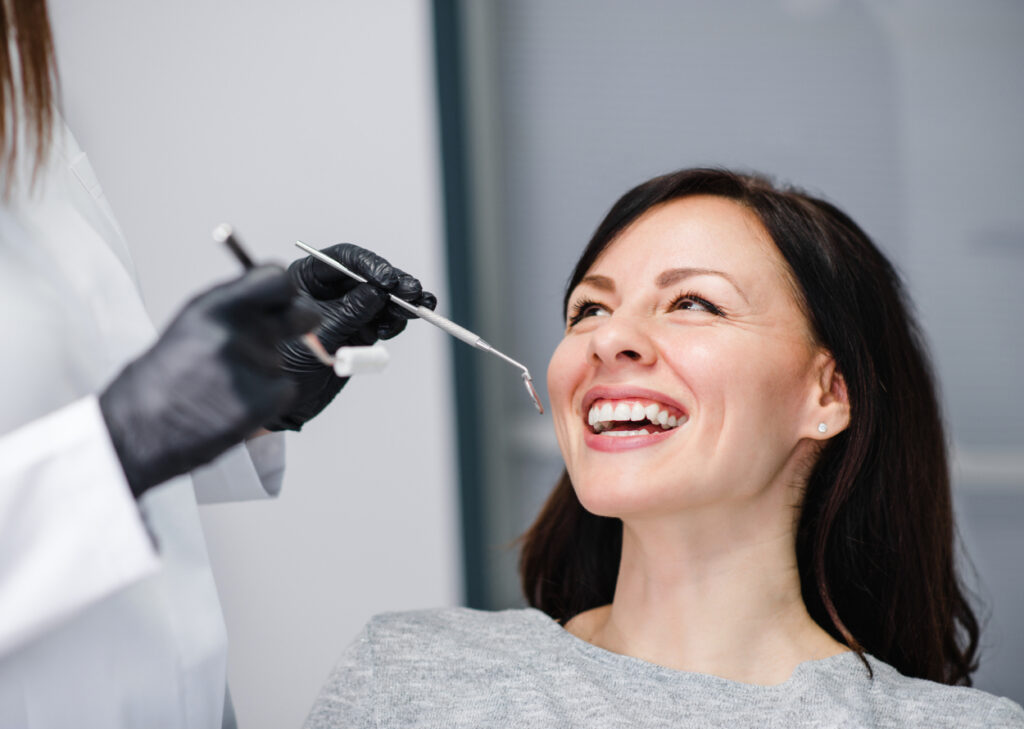
A thorough consultation sets the tone. We evaluate bite, jaw joints, gum health, and airway considerations. I want to know about grinding, jaw soreness, migraines, and any history of orthodontics. We scan the teeth, capture photos, and review goals. Some patients bring a picture of their smile from 10 years ago. Others bring a friend who finished treatment and want a similar outcome.
What you should expect is candor about timelines, likely refinements, and the role of retainers after treatment. Aligner therapy often happens in arcs. The first set of trays moves you toward the plan, then we rescan for refinements to perfect details. Two arcs are common. Three is not unusual. Anyone promising a perfect finish in 12 weeks without context is overselling or under‑diagnosing.
To demystify the path, I often outline a typical arc this way.
- A practical timeline:
- Records visit, scan, and photos. Any urgent dental work first.
- Treatment planning and preview, then attachments and tray delivery.
- Aligner cycles for several months with 6 to 10 week check‑ins.
- Midcourse assessment and potential refinement scan.
- Final detailing, removal of attachments, and retainer delivery.
Attachments, buttons, and IPR, explained clearly
Attachments look like small clear pebbles on your teeth. They are bonded with tooth‑colored resin, contoured to act like handles. They give the tray something to push against so we can tip, rotate, or intrude teeth in a more controlled way. Patients sometimes worry they will show. Up close, yes, especially if you look for them. From social distance, they disappear. Buttons are similar but used with elastics to guide bite corrections. They come off at the end, the teeth are polished, and no one will know they were there except you and your Oxnard dentist.
Interproximal reduction sounds scarier than it is. With precise gauges, we remove hairline amounts of enamel between teeth, measured in hundredths of a millimeter. It is painless with topical anesthesia if needed, and it prevents front teeth from flaring outward while we unwind crowding. Long term, it can improve contact points and reduce the risk of triangular gaps near the gumline.
Compliance, honesty, and real‑life success
The alignment plan assumes near full‑time wear. That 20 to 22 hour guideline is not negotiable if you want predictable progress. Where patients get into trouble is travel without trays, weddings with a weekend of skipped wear, or the habit of taking aligners out because of a Zoom meeting, then forgetting to put them back for hours. If that sounds like your routine, braces may be the more forgiving choice.
There are tricks that help. Nightly seat checks in front of a mirror to ensure trays are fully engaged. Short chew sessions after reinserting aligners. A simple note in your phone with the date you switch trays. If you drive the 101 regularly, leave a case in the center console so trays are never wrapped in a napkin and tossed by mistake at a coffee stop.
How long does it take, and what does it cost in Oxnard
For mild cases, 4 to 8 months is a realistic range. Moderate cases often land between 9 and 15 months. Complex tooth movements, bite corrections, or multiple refinement cycles can extend treatment to 18 months or more. Biology sets the pace. You can nudge biology with compliance, but you cannot bully it.
Costs in our area vary with complexity, brand, and whether an Oxnard dentist manages the case personally or uses a higher volume aligner lab model. I see ranges roughly from the low four figures for limited treatment that focuses on a few front teeth to the mid four figures or higher for comprehensive alignment and bite correction. Orthodontic insurance may offset a portion, often between a few hundred to a couple thousand dollars, depending on the plan, waiting periods, and lifetime maximums. Health savings accounts and flexible spending accounts can be used, and many offices offer monthly financing.
If someone quotes a rock‑bottom fee with no in‑person oversight, ask who will do refinements, manage attachments, or address bite issues. Cheap aligners that do not finish the job are not cheap once you factor in retreatment.
Aligners versus braces, a practical comparison
Braces excel at complex movements. They can pull, push, and twist with a broader toolkit and do not depend on patient wear. They do, however, trap food, complicate flossing, and show in every photo. Aligners are nearly invisible, come out for meals, and make hygiene straightforward. In public‑facing careers, this matters. But aligners rely on you. If you are forgetful, braces may spare you frustration.
Comfort is different, not universally better. Trays can rub, especially near frenum areas, though smoothing and wax help. Braces can poke, but we can clip a wire on the spot. Speech is usually cleaner with aligners after a day or two. For wind instrument players, aligners are usually preferred. For wrestlers and water polo players in Oxnard schools, aligners with a custom mouthguard often work better than braces with a stock guard.
Whitening, bonding, and other cosmetic pairings
Many adults pursue aligners as part of a broader smile upgrade. Whitening pairs naturally, often mid‑treatment or at the end, and trays can be adapted to act as whitening carriers with a gel. Minor edge bonding after alignment can restore chipped corners or reduce the look of triangular spaces. For patients with wear or erosion, a careful sequence is key. We move teeth into a healthy, protective bite first, then restore enamel shape. Rushing to contour or bond before teeth settle invites rework.
A patient of mine who commutes from Port Hueneme aligned her teeth over 10 months, whitened in week 8, then finished with three small composite additions to square off worn incisal edges. It changed the way she smiled in photos, not because the teeth were perfect, but because the proportions finally matched her face.
Emergencies, refinements, and when to call
True dental emergencies with aligners are rare. You can chip a tray or lose one. You can feel a sharp edge or an attachment can pop off. If you are between trays and one goes missing, advance if the next fits well. If not, step back to the previous one and call. We can often 3D print a replacement quickly. If you have any pain that does not feel like normal pressure, looseness of a tooth after a fall, or a cut that will not settle, reach out to your Oxnard emergency dentist the same day. Clear aligners should never cause throbbing pain, fevers, or lingering mouth sores. Those are red flags we want to see immediately.
Refinements are not failures. They are the strategic second or third lap to dial in root positions and bite details. I tell patients to budget time and patience for at least one refinement. It is the difference between straight teeth that look aligned and a bite that functions well when you chew, speak, and sleep.
Retainers matter more than marketing admits
Your teeth and the fibers that hold them have memories. After we invest months guiding them, retainers keep the result. Fixed retainers bonded behind the front teeth are popular for patients at higher risk of relapse, especially lower incisors that tend to crowd with age. Removable retainers work well for most, worn nightly at first, then a few nights a week long term. Think of them like a seatbelt. You hope you never need it, but you use it every time because it is simple and it prevents a mess later.
I have a retired Navy machinist who finished treatment 6 years ago. He still wears his upper retainer three nights a week and laughs that it is easier than remembering sunscreen at the beach. His alignment has held beautifully.
Hygiene, gum health, and aligners
Because aligners cover the teeth, your hygiene routine matters. Trays should be brushed with cool water and a clear soap, never hot water that can warp them. Do not soak them in colored mouthwash that stains. After meals, rinse, brush if you can, or at least swish vigorously with water before reinserting. If you trap sugar or acid under a tray, you create a greenhouse for cavities. I schedule more frequent cleanings for patients with a history of decay. It is cheaper than fillings and far more comfortable.
If you struggle with dry mouth, talk to your dentist. Saliva is your natural defense against decay. Sugar‑free gum, specific rinses, and timing your water intake can offset dryness, especially for patients on certain medications.
Choosing the right provider in our area
Good outcomes come from good diagnosis and consistent oversight. When you search for the best dentist Oxnard has for cosmetic alignment, look beyond brand names and ads. Ask who creates your plan, how they monitor progress, and how they handle midcourse corrections. Look at before‑and‑after cases that resemble your bite, not just perfect Instagram smiles. A reputable Oxnard dentist will welcome your questions, show you example timelines, and be clear about what aligners cannot do in your situation.
If your schedule is tight, choose an office that can pair virtual check‑ins with in‑person visits. We use photo uploads to confirm fit between appointments, which saves time for patients who commute or juggle shift work. But do not skip all in‑person checks. Small course corrections early prevent longer detours later.
Special cases: implants, missing teeth, and prior dental work
If you have an implant, remember that implants do not move. They are anchored to bone. We can move adjacent teeth around an implant, but the implant itself is a fixed landmark in your mouth. Planning is crucial to avoid unwanted collisions between roots and implant posts. For patients missing teeth, we sometimes use aligners to create space for a future implant, preserving bone and improving the eventual crown position.
Crowns and veneers are compatible with aligners, though attachments may be positioned differently on ceramic surfaces. If you grind, we may design a bite guard into your retainer plan to protect your restorations after treatment. Personalization matters more in these mixed cases, which is where experienced planning pays dividends.
Work and lifestyle considerations
Chefs, bartenders on the Ventura County coast, and Dentist coffee lovers need a routine that respects heat and staining. Drink your morning coffee without trays, then brush, then insert. Sipping through aligners will tint them and bathe your teeth in sugar and acid. Runners and gym goers who sip sports drinks need the same caution. For flight crews and frequent travelers, pack duplicate cases and a small bottle of foam cleanser in your toiletry kit. If you are headed to a multi‑day conference, build in tray breaks around meals you cannot control, and compensate with extra wear time during flights and evenings.
For life events like a wedding or quinceañera, timing is everything. I often plan a slower tray change interval around the event to keep a well‑fitting, clear set in for photos. We can also pause attachments briefly for cosmetic reasons, then rebond and continue, but that adds time. A simple conversation early in planning avoids stress later.
Myths I hear in the operatory
No, aligners do not always work faster than braces. Speed comes from the biology of safe movement, not the material. No, aligners are not only for mild cases. They can handle a surprising amount with the right plan and patient. And no, at‑home aligners without exams are not equivalent to doctor‑directed care. Bites are three‑dimensional. What looks straight from the front can be off in the back, and the jaw joints are part of the system. Skipping a diagnosis saves time until it does not.
When to start, and when to wait
If your gums bleed when you floss, handle that first. If you have a cracked tooth, fix the crack before embarking on orthodontics. Pregnant patients can do aligners safely, but gums may be more reactive, and timing elective work around the second trimester makes visits more comfortable. If your work or family life will make 20 to 22 hour wear impossible for the next few months, there is no harm in waiting until you can commit. Starting at the right time raises the odds you will finish on schedule and happy.
A word about discomfort and pain control
Expect tenderness, not agony. Over the counter pain relievers work well for the first day with a new tray. Cold water sips help. Switching trays at night lets you sleep through the initial tightness. If a tray scratches your cheek, a tiny dot of wax or a touch of buffing in the office smooths it. Persistent pain, bites that feel off balance, or teeth that feel excessively loose are not normal. Reach out early rather than waiting. Your Oxnard dentist can troubleshoot small issues before they snowball.
The after picture that matters most
The best smiles look like you, only freer. Front teeth support your lips and speech. Back teeth guide your jaw and protect your joints. When a plan marries aesthetics with function, you get a smile that photographs well and chews comfortably. You are less likely to chip edges, wake with sore muscles, or grind through enamel. That is the part of aligner therapy that patients feel every day after the selfies stop.
If you are weighing aligners, sit down with a cosmetic dentist Oxnard trusts and have an open conversation about goals, time, and habits. Bring your questions, your calendar, and your honest sense of whether you can wear trays as prescribed. If you are a good candidate, aligners can be a quiet, steady way to reshape your smile while you live your life. If your bite asks for a different path, a candid roadmap will still get you where you want to go.
And if anything feels urgent along the way, from a sudden toothache to a broken attachment that cuts your cheek, call your Oxnard emergency dentist. Problem solving is part of good care. The journey goes best when you and your dental team communicate early and often, one tray and one check‑in at a time.
Oxnard Dentistry
Address: 1730 E Gonzales Rd, Oxnard, CA 93036
Phone number: +18056049999
FAQ About Oxnard Dentist
What is the richest neighborhood in Oxnard?
The richest and most expensive neighborhood in Oxnard is Seabridge. Located within the coastal 93035 ZIP code, it is a prestigious, gated waterfront community featuring luxury single-family homes, high-end townhomes, and private boat docks.
What is the average cost of a dentist?
Without insurance, the average cost for a routine dental exam, cleaning, and X-rays is about $150 to $350. Costs vary by region and treatment type. If you have insurance, preventive care is often covered completely or requires a small copay.
What is the 50-40-30 rule in dentistry?
In cosmetic dentistry, the 50-40-30 rule is an esthetic guideline for the ideal contact areas—the points where upper front teeth touch each other. It ensures a natural, youthful, and balanced smile by creating even spacing and preventing dark "black triangles" near the gums.